Can a Smart Ring Do an ECG? (2026 Answer)
Only one smart ring can take a real ECG in 2026. How on-finger ECG works, why PPG rings can't do it, and how it compares to a watch ECG.
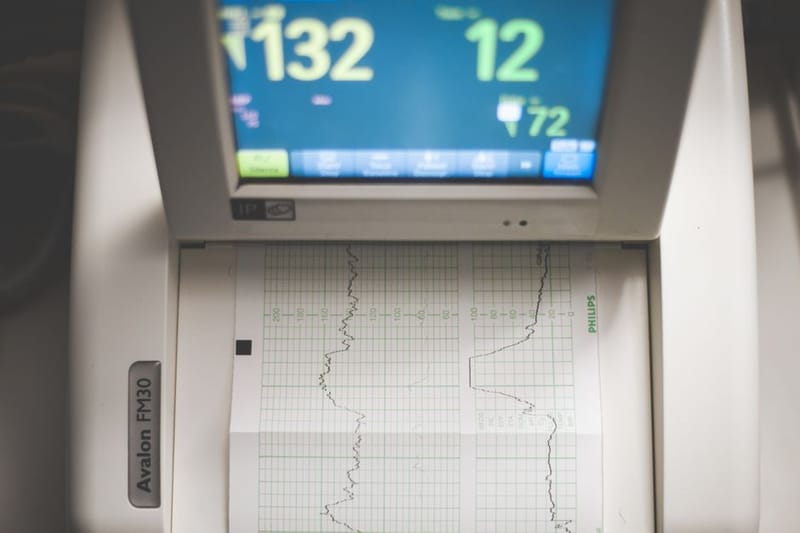
ECG on the wrist went mainstream years ago; on the finger it is only just arriving. This guide explains what an ECG actually requires, why most smart rings cannot do one, which ring can in 2026, and whether a ring ECG is worth anything next to a watch's. If your real question is about irregular-rhythm alerts generally, our smart rings and AFib detection guide covers the screening side in depth.
Why can't most smart rings take an ECG?
Electrodes versus light
An electrocardiogram measures the heart's electrical activity, which requires an electrical circuit across the body - at minimum two contact points on opposite sides of the heart. A watch manages this with an electrode on its back (your wrist) and one on the crown (a fingertip from the other hand). Most smart rings simply do not have exposed electrodes: they rely on photoplethysmography (PPG) - LEDs shining into the finger to read blood-volume changes optically. PPG is excellent for heart rate, decent for spotting irregular patterns, but it measures blood flow, not electrical activity. It can suggest something is off; it cannot produce the waveform a clinician reads. Our resting heart rate accuracy guide covers what PPG does well.
Which smart ring can do an ECG in 2026?
One ring, one method
The Circular Ring 2 is the only smart ring on the market with a working on-demand ECG. It carries an electrode on its outer face: touch it with a fingertip from your other hand and the loop across your chest is complete, producing a single-lead recording - the same lead count as a smartwatch ECG. Its atrial-fibrillation detection algorithm is FDA-cleared (a US clearance; UK buyers should treat the feature as wellness-grade screening rather than a regulated medical device here). The ring needs no subscription for any feature, ECG included, and takes readings in about 30 seconds. See how it stacks up against the mainstream pick in our Circular Ring 2 vs Oura Ring 5 comparison.
Everything else - Oura Ring 4 and 5, Samsung Galaxy Ring, Ultrahuman Ring Air and Pro, RingConn Gen 2 and 3 - has no ECG hardware. Some offer irregular-rhythm notifications from PPG data, which is a different (and weaker) claim.
Is a ring ECG as good as a watch ECG?
Same lead count, different ergonomics
Technically they are peers: both produce a single-lead (Lead I equivalent) trace, far short of the 12-lead ECG a hospital runs but enough for rhythm screening - AFib in particular. The practical differences are ergonomic. A watch ECG is arguably easier to trigger and view on its own screen; a ring ECG needs your phone nearby for the readout. In the ring's favour, you are more likely to be wearing it 24/7 - rings do not need daily charging and survive sleep comfortably - so the moment palpitations strike, the sensor is already on your hand.
The honest summary: no consumer single-lead device diagnoses anything. What it does is capture a rhythm strip during a symptomatic moment that you can show a doctor - genuinely useful, and now possible from a ring.
Can the Oura Ring take an ECG?
Does the Samsung Galaxy Ring have ECG?
Is a smart ring ECG medically approved in the UK?
Can a smart ring detect a heart attack?
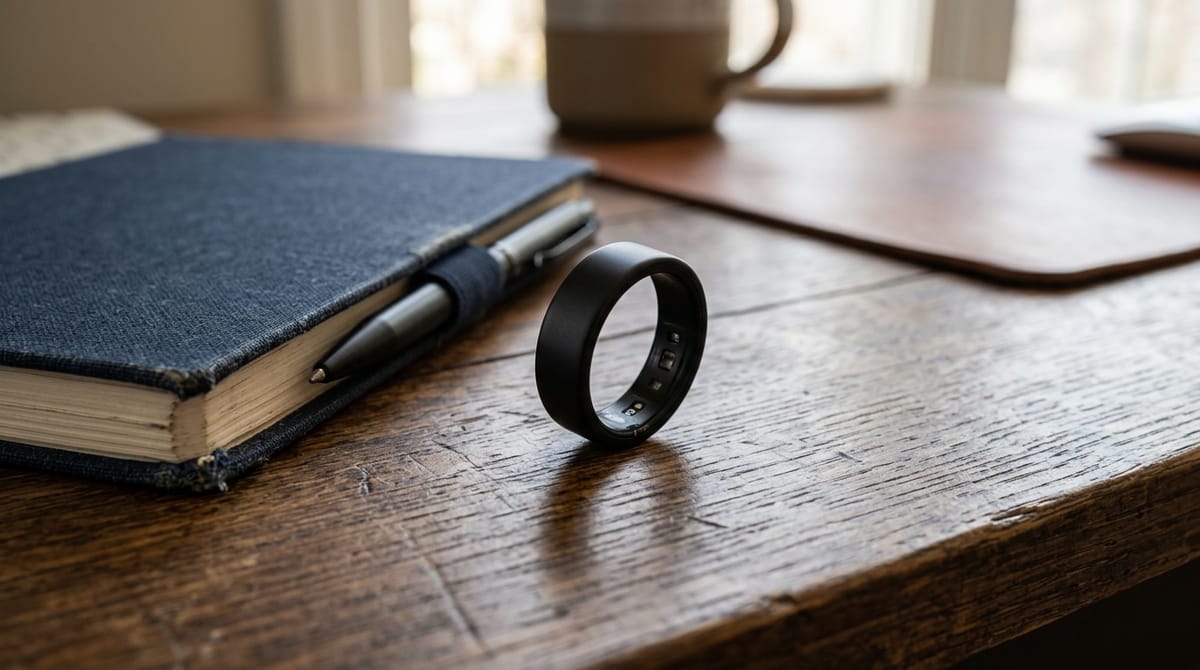
Smart Rings and AFib Detection
Circular Ring 2 vs Oura Ring 5