Smart Ring Fertility & Ovulation Tracking: Guide
Smart rings track ovulation by detecting the temperature rise that follows it - confirming your fertile window, not predicting it. Here's how it works.

Can a smart ring track ovulation?
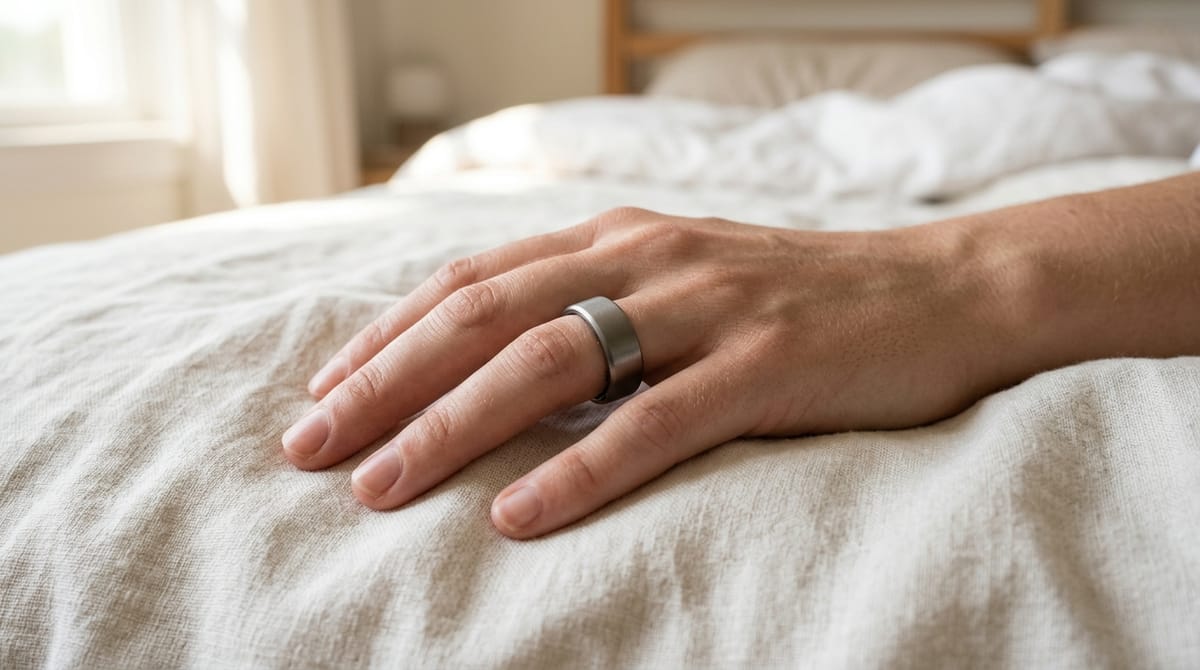
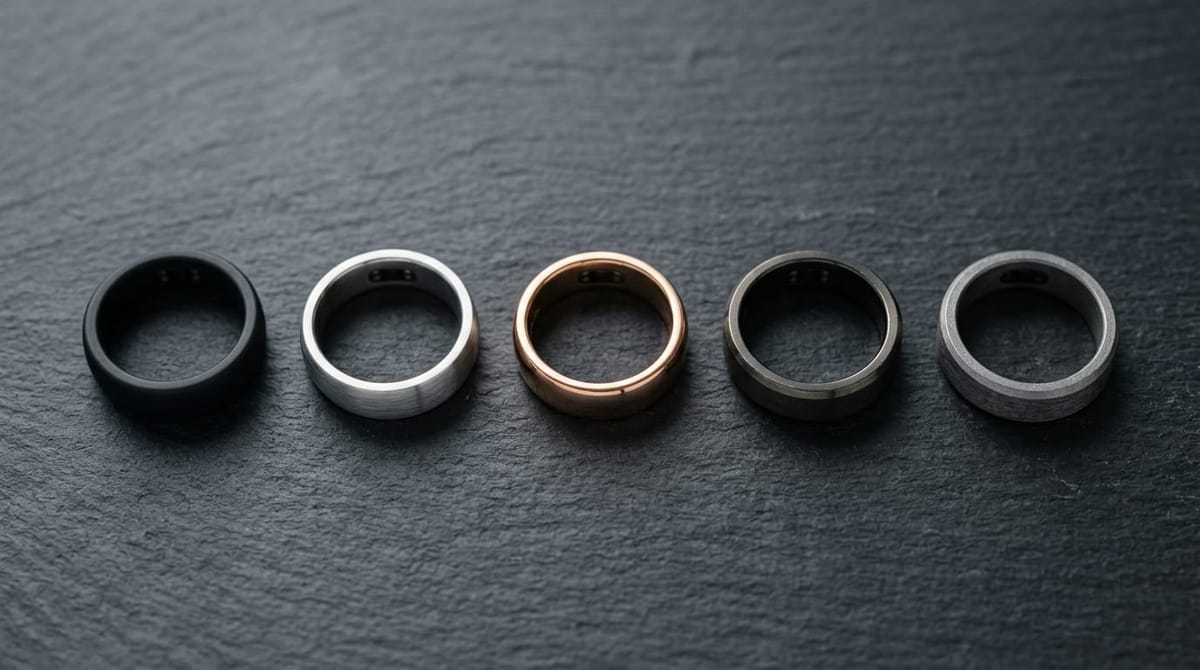
Yes, a smart ring can track ovulation, and it does it more comfortably than a bedside thermometer. Rings from Oura, Samsung and others measure your skin temperature continuously overnight, and that data reveals the temperature pattern that marks ovulation across your cycle.
The important nuance is timing. A ring confirms that ovulation has happened rather than predicting it in advance, which changes how useful it is depending on whether you are trying to conceive, avoid pregnancy, or simply understand your body better.
How does temperature tracking detect ovulation?
After ovulation, the hormone progesterone rises and nudges your resting body temperature up by roughly 0.3 degrees Celsius. This is the biphasic pattern that traditional fertility charting has used for decades: lower temperatures before ovulation, a sustained step up afterwards. It is the same signal described in the medical literature on basal body temperature.
A smart ring measures skin temperature (a close overnight proxy for basal body temperature, the resting temperature used in fertility charting) every night and looks for that sustained shift. Because you wear the ring in bed, it captures the reading without the wake-up-and-measure ritual that makes manual charting hard to stick to.
Can a smart ring predict your fertile window in advance?
Not directly. Your most fertile days are the five days before ovulation plus the day itself, and the temperature rise arrives at the very end of that window. To look ahead, apps combine your logged cycle history with the temperature confirmations they gather month after month, gradually learning your typical pattern to estimate future fertile windows.
If you are timing conception and want a forward signal, an ovulation predictor kit (a urine test that detects the luteinising hormone surge) flags ovulation roughly a day or so before it happens. Many people trying to conceive pair the two: a kit to catch the run-up, and the ring to confirm ovulation actually occurred.
Can you use a smart ring for birth control?
Only through a cleared app, and never the ring on its own. Oura, for example, connects to Natural Cycles - the first app cleared by the US regulator (the FDA) as a form of contraception, and also usable in a plan-a-pregnancy mode. The ring supplies the nightly temperature data; the app's algorithm does the fertility calculation and shows green or red days.
Even then, this is fertility-awareness contraception, which has a meaningful typical-use failure rate and demands consistent daily use. It is a personal medical decision - anyone considering it should read the app's official guidance and speak to a healthcare professional rather than rely on a wearable alone.
How accurate is smart ring ovulation tracking?
For confirming that ovulation happened, continuous overnight temperature tracking is generally reliable, because the ring gathers far more data points than a single morning reading and smooths out one-off blips. Studies of wearable temperature sensors have shown good agreement with the classic biphasic pattern.
Accuracy drops when your temperature signal is disrupted - by illness, alcohol the night before, a very late night, or an inconsistent sleep schedule. Cycles where ovulation does not occur, common around perimenopause or with some conditions, will not show the clear shift either. Treat the ring as one strong signal among several, not an infallible test.
Should you use a smart ring if you're trying to conceive?
It can be a genuinely helpful tool. Over a few cycles a ring builds a clear picture of whether and when you ovulate, which is valuable information to bring to a GP or fertility clinic if conception is taking time. Paired with ovulation predictor kits for forward timing, it rounds out the picture well.
What it will not do is replace medical advice or guarantee results. If you have been trying for a while without success, the ring's data is a useful conversation-starter with a professional rather than a substitute for one. For the leading rings on cycle features, see our best smart rings for cycle tracking guide, and if pregnancy follows, our smart rings in pregnancy guide covers what changes.