Do Smart Rings Sync with Fitbit and Google Fit? (2026)
How smart rings sync with Fitbit, Google Fit and Apple Health in 2026 - and why the Fitbit-to-Google-Health switch and Health Connect change everything.
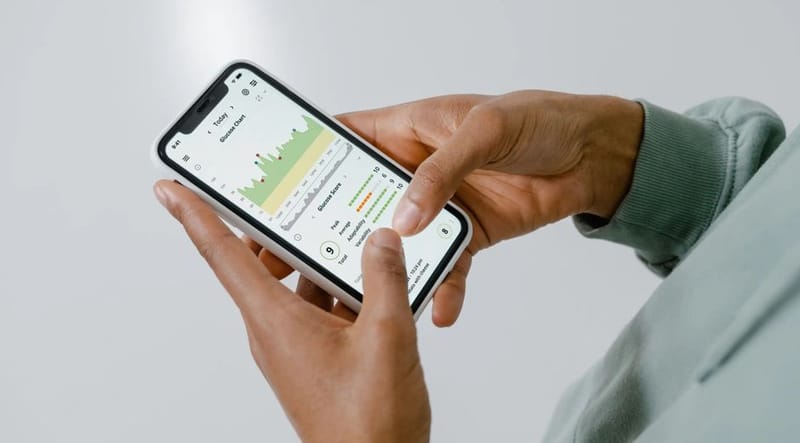
If you want your smart ring's data to show up alongside the rest of your health stats, 2026 changed the picture significantly. The Fitbit app you knew has become Google Health, Google Fit is being retired, and the way smart rings connect now runs through two central hubs rather than direct app-to-app links. Here's exactly how smart-ring syncing works in 2026, and which rings do it best.
What happened to Fitbit and Google Fit in 2026?
Two big changes landed in 2026. First, on 19 May the Fitbit app was rebranded and redesigned as the Google Health app - so if you're searching for "smart ring Fitbit sync," the app you actually mean is now Google Health. Second, Google confirmed it is retiring the old Google Fit app later in the year, inviting users to migrate their data into Google Health.
The practical upshot: there's no longer a separate "Fitbit" or "Google Fit" target for your ring to sync into. On Android, the hub is now Google Health, which pulls data in through Health Connect. On iPhone, the equivalent hub is Apple Health.
How do smart rings actually sync with Google Health?
Smart rings don't connect directly to Google Health. Instead, your ring syncs first to its own app (the Oura app, the RingConn app, and so on), which then writes the data into Health Connect on Android. Google Health reads from Health Connect, so your ring's metrics appear there a short while after you open and sync the ring's own app. The same indirect route applies on iPhone via Apple HealthKit.
This matters in two ways. You need to open and sync your ring's app regularly for data to flow through, and exactly which metrics carry across depends on what each ring chooses to share with Health Connect or Apple Health. Basic activity and heart-rate data usually travel; some advanced biometrics stay locked inside the ring's own app.
Which smart rings work best with Apple Health?
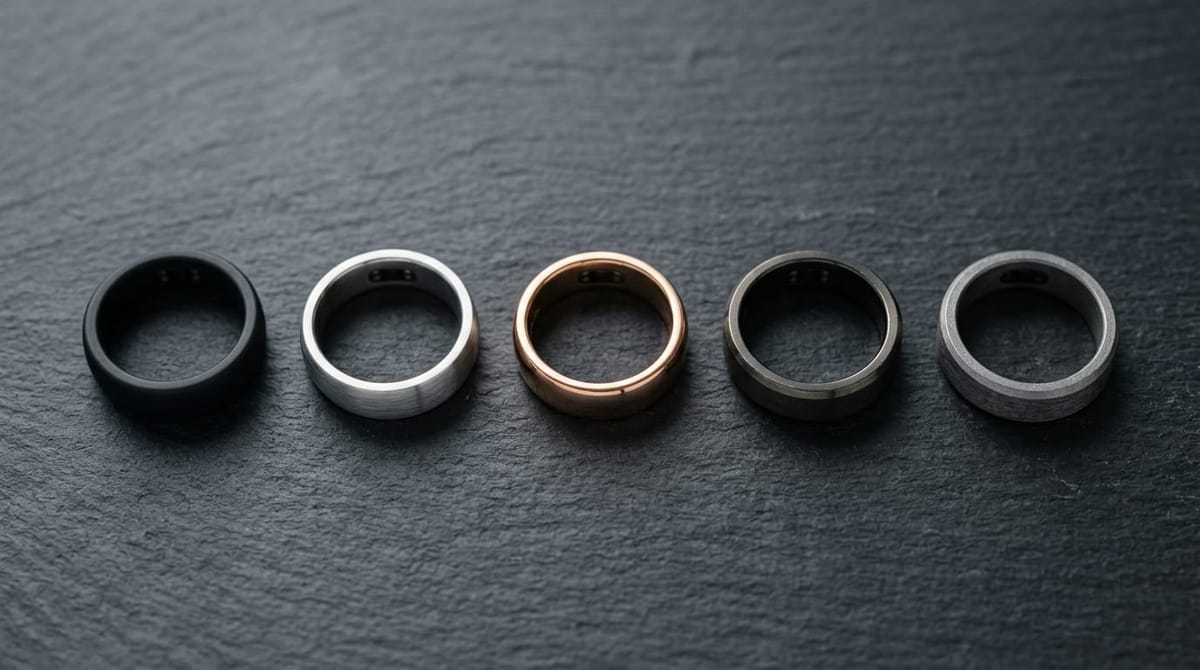
On iPhone, the Oura Ring 5 has the deepest Apple Health integration of any ring, with rich, bidirectional data sharing - the gold standard if you live in the Apple ecosystem. Ultrahuman and RingConn also support Apple Health, though with less breadth than Oura. The Samsung Galaxy Ring is the exception: it's built around Samsung Health and makes far more sense for Galaxy phone owners than for iPhone users.
Which smart rings work best on Android and Google Health?
On Android, the picture is more even. RingConn and the Circular Ring lean into the Android ecosystem, syncing core metrics through Health Connect (and the legacy Google Fit API while it lasts), so their data flows into Google Health. The trade-off is that some advanced biometrics can be harder to push across than the basics. The Oura Ring 5 also syncs to Health Connect via its app, bringing its data into Google Health on Android too. If having your ring data sit neatly inside Google Health is your priority, check each ring's Health Connect support before buying - it's where the differences now show up.