Can a Smart Ring Help With Insomnia?
A smart ring can't treat or diagnose insomnia, but its sleep data helps you spot patterns and triggers. Here's how to use it well, and its limits.
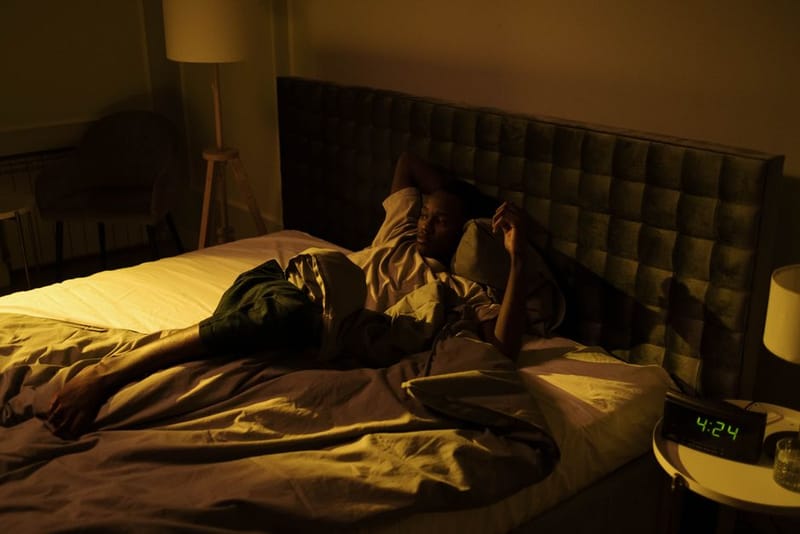
If you live with insomnia, it is fair to ask whether a smart ring is worth it. The honest answer is that a ring is a measuring tool, not a cure. It can give you a clearer picture of your nights and the habits that shape them, but it cannot make you sleep, and treating its score as a verdict can do more harm than good.
What can a smart ring do for insomnia?
A smart ring's real value for insomnia is turning a vague sense of bad sleep into specific numbers you can act on. The metrics that matter most are your sleep onset latency (how long it takes you to fall asleep), your time spent awake after first falling asleep, and your sleep efficiency (the proportion of time in bed you actually spend asleep). Tracked night after night, these reveal patterns that are hard to judge from memory alone.
That objectivity helps in two ways. It can challenge a catastrophic sense that you 'never sleep' when the data shows several solid hours, which is reassuring in itself. And it can connect poor nights to triggers, such as a late coffee, a glass of wine, a stressful day or an irregular bedtime, so you can test changes and see what genuinely helps.
What can a smart ring not do?
A ring cannot diagnose insomnia or any sleep disorder, and it cannot treat one. The first-line, evidence-based treatment for chronic insomnia is CBT-I (cognitive behavioural therapy for insomnia), a structured programme delivered by a clinician or a dedicated app, not a wearable.
It is also worth being realistic about sleep-stage accuracy. Rings estimate light, deep and REM sleep from heart rate, movement and temperature, and while the overall split is reasonable, the stage-by-stage breakdown is an approximation rather than a clinical sleep study. For insomnia, the timing and efficiency figures are far more useful than the exact minutes of deep sleep.
Can sleep tracking make insomnia worse?
It can, and this is the most important caveat. Fixating on sleep scores can create anxiety about sleep that keeps you awake, a pattern clinicians have nicknamed orthosomnia (an unhealthy preoccupation with achieving perfect sleep data). For someone already anxious about not sleeping, a low score each morning can become one more thing to dread at bedtime.
The healthier approach is to look at trends weekly rather than checking your score the moment you wake, and to treat the ring as a gentle source of patterns rather than a nightly report card. If you notice the data is feeding your worry rather than easing it, it is completely reasonable to stop checking it for a while.
Which ring features matter most for insomnia?
Sleep timing and efficiency
Look for clear reporting of sleep onset latency, time awake in the night and sleep efficiency. These matter far more for insomnia than a deep-sleep percentage.
Long-term trends
The ability to see weeks of data at a glance helps you connect changes in habits to changes in sleep, which is where the real insight lives.
A calm, non-judgemental app
Some apps push a single anxiety-inducing score; others present sleep more gently. For insomnia, the framing of the data matters as much as the data itself.
Comfort for restless nights
A ring is far less intrusive than a wrist wearable when you are tossing and turning, so it is more likely to be worn consistently by a poor sleeper.
When should you see a doctor?
Speak to a GP if poor sleep has lasted more than a few weeks, if it is affecting your mood, concentration or safety during the day, or if your ring or your partner flags signs of a possible sleep disorder such as loud snoring, gasping or long pauses in breathing. These point towards conditions like sleep apnoea that need proper assessment, not gadget tracking.
Bring your data along if it helps, but let it support the conversation rather than lead it. A clinician interprets symptoms; the ring just adds context.
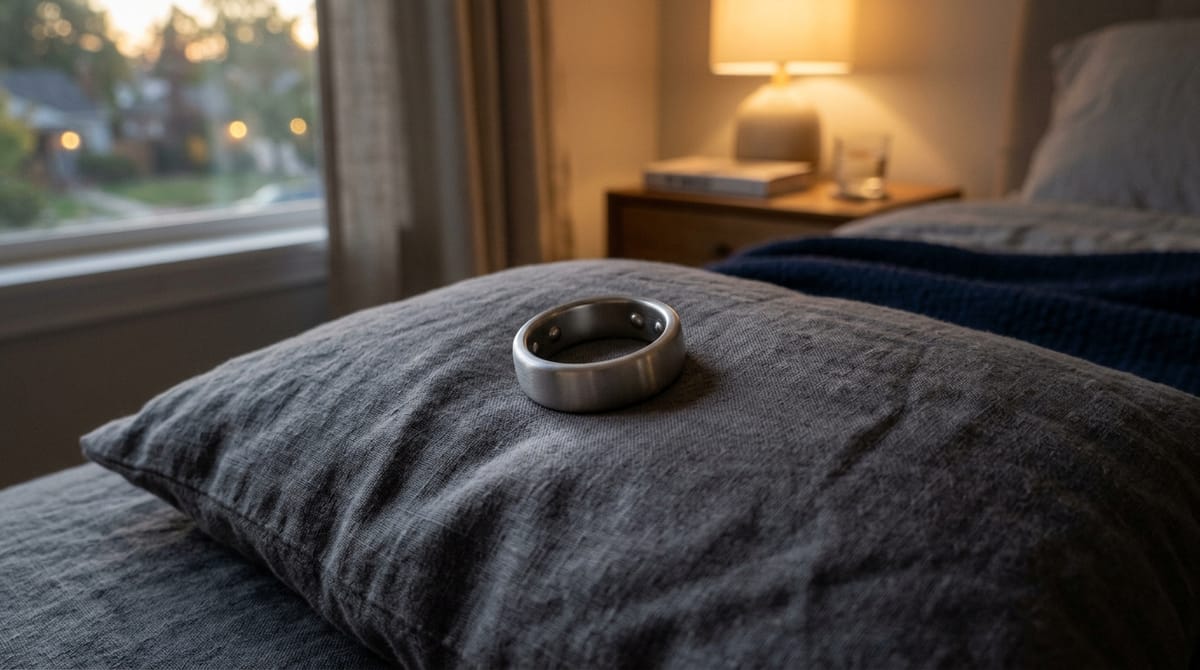
Best Smart Ring for Sleep Tracking
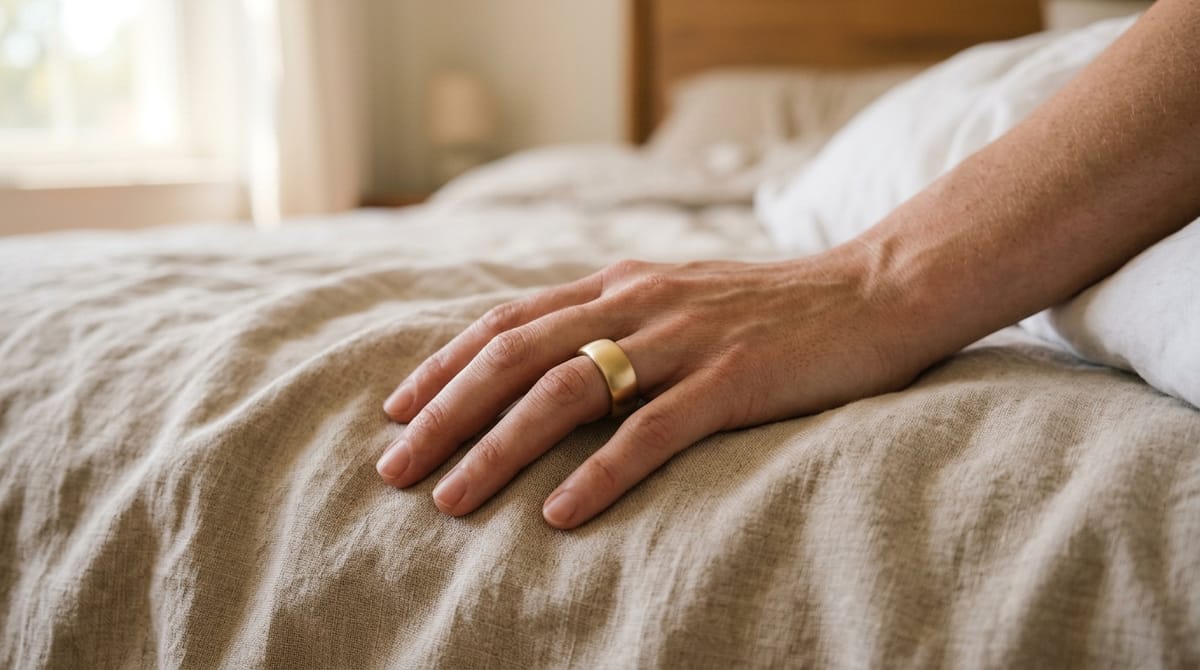
Smart Ring Sleep Stage Accuracy

Smart Ring for Caffeine and Sleep
Smart Ring Health Metrics Explained
Frequently asked questions
Can a smart ring cure insomnia?
Is a smart ring good for tracking insomnia?
Can sleep tracking make insomnia worse?
Which is better for insomnia, a smart ring or a watch?
When should I see a doctor about insomnia?
Find your best sleep tracker
Compare the most accurate and comfortable smart rings of 2026.