Smart Rings for Older Adults (UK 2026): An Honest Guide
Are smart rings right for older adults? An honest look at sleep tracking, the fall-detection gap, sizing for arthritic hands and carer data sharing.
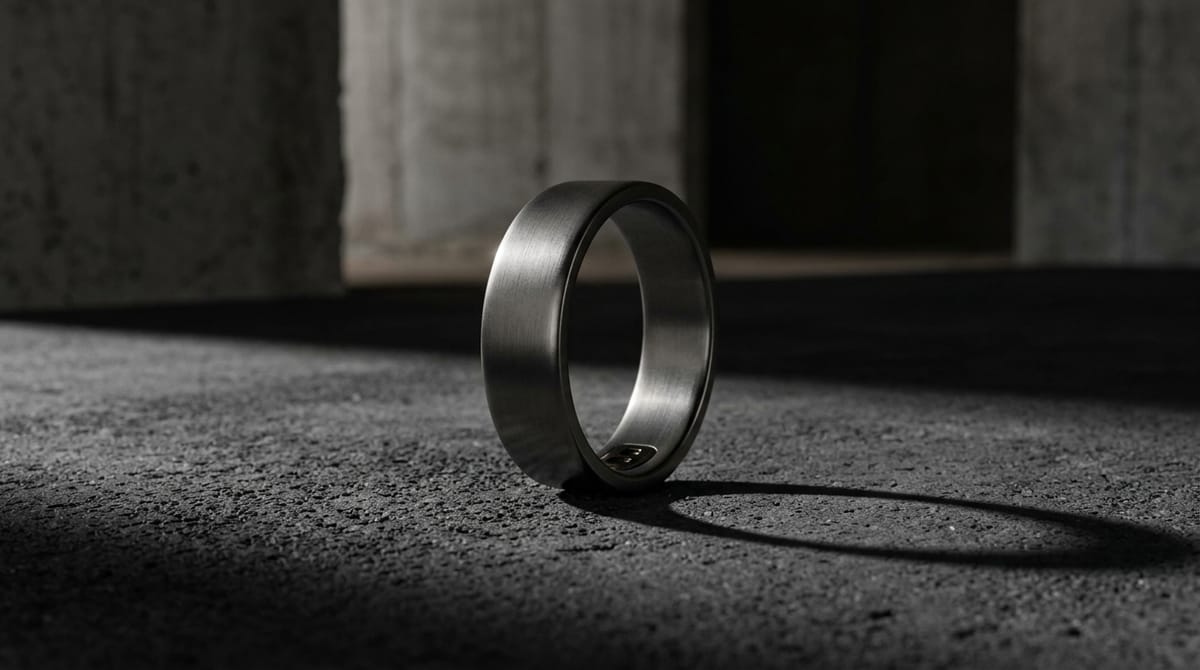
Choosing a smart ring for an older adult comes down to one honest question: what do you actually need it to do? A ring tracks sleep, resting heart rate and daily activity quietly and comfortably, and there is no screen to learn. What it cannot do is catch a fall or call for help, and that distinction matters more with age.
This guide separates what smart rings genuinely offer older users from what marketing implies. The short version: they are excellent passive wellness trackers and poor safety devices. Knowing which job you are buying for prevents an expensive disappointment.
Are smart rings a good fit for older adults?
For many older users, a smart ring is easier to live with than a smartwatch. There is no display to read, no notifications to dismiss and no daily charging ritual: most rings run four to eight days between charges. You put it on and forget it.
That simplicity is the strongest argument in its favour. People who find a touchscreen watch fiddly, or who dislike a bright screen on the wrist, often get on far better with a ring. It is light, it is comfortable to sleep in, and the data lives in a phone app the wearer (or a family member) checks when they want to, rather than demanding attention all day.
The trade-off is that a ring is a measurement tool, not an interactive one. It will not show the time, take a call or remind anyone to take medication. If those functions matter, a watch is the better device.
Do smart rings have fall detection?
No. As of 2026, no mainstream smart ring includes fall detection or an emergency SOS button. The major models on sale in the UK all track health metrics but none can sense a fall or summon help.
This is the single most important thing to understand before buying a ring for an older relative. Falls are the most common cause of injury-related death in people over 65, and UK public-health guidance treats fall prevention and rapid response as a priority (see the UK government's falls guidance). A device that cannot detect a fall does nothing for that risk.
Fall detection is a feature of certain smartwatches and of dedicated personal alarm pendants, not of rings. The hardware reason is simple: a ring on a finger cannot reliably distinguish a fall from ordinary hand movement the way a wrist or torso-worn device can, and rings have no speaker or cellular radio to place a call.
What can a smart ring actually do for an older adult?
Within its lane, a ring does several genuinely useful things. None are diagnostic, but together they paint a helpful picture of trends over weeks and months.
Sleep tracking
Records time asleep, disturbances and rough sleep stages overnight, with no need to wear a bulky watch in bed.
Resting heart rate trends
Tracks resting and overnight heart rate over time, which can flag a gradual change worth raising with a GP.
Gentle activity nudges
Counts steps and active time, useful for staying mobile without the intensity-focused pressure of a sports watch.
Skin temperature trends
Logs nightly temperature deviation, which some users find an early hint of an oncoming illness.
Long battery life
Four to eight days per charge means far less frequent charging than a daily-charged smartwatch.
Comfortable all-day wear
Light and screen-free, so it is easy to wear continuously, including in the shower on water-resistant models.
Sizing, dexterity and daily handling
Fit is where rings most often go wrong for older wearers, and it is worth getting right before spending money. Every reputable brand ships a free sizing kit of plastic dummy rings: wear the chosen size for a day, including overnight, before ordering the real thing. Fingers swell and shrink with temperature, time of day and fluid retention, so a snug morning fit can become tight by evening.
Arthritis and swollen knuckles complicate matters. A ring has to pass over the knuckle, which may be wider than the base of the finger, so some people need a larger size than the seated fit suggests. Anyone with significant joint swelling or who struggles to remove rings should test carefully, as a smart ring cannot be resized or cut off as easily as a plain band.
Charging is the other dexterity point. Most rings sit on a small dock or charger; placing the ring onto it can be fiddly for unsteady hands. The upside is that this only happens once or twice a week, not daily. There are no buttons to press and no screen to tap, which many older users find a relief compared with a watch.
Can family or carers see the data?
Mostly, the data lives in the wearer's own phone app. Carer access is more limited than people expect, and it is not the live monitoring dashboard a dedicated senior-care system provides.
Some brands offer a sharing feature that lets the wearer invite a family member to view selected metrics, but this is opt-in, shows historical data rather than real-time alerts, and varies a lot between brands. None of it sends an automatic alert if something goes wrong. If a son or daughter wants to keep a passive eye on an parent's sleep or activity trends, sharing can help; if they need to be told the moment there is a problem, a ring will not do that.
Most apps also let the wearer export their data, which can be handy to show a GP. Treat any carer-sharing feature as a convenience for reviewing wellbeing trends together, not as a remote safety net.
What about heart rhythm and AFib?
The risk of atrial fibrillation (AFib, an irregular and often rapid heart rhythm) rises with age, so this is a reasonable thing to wonder about. Some smart rings can flag an irregular pulse pattern from their optical sensor, and that prompt to get checked has real value. But a ring's reading is a screening hint, not a diagnosis.
What rings generally cannot do is record a medical-grade ECG. That single-lead electrocardiogram feature, which is what cardiologists actually use to confirm atrial fibrillation, is found on certain smartwatches rather than on rings, because it needs electrodes the wearer touches. If detecting AFib is a specific clinical concern, an ECG-capable watch or a proper medical assessment is the right tool.
The honest framing for any older adult: a ring can occasionally nudge you to see a doctor, and that is worthwhile, but it never replaces one.
Who should choose a watch or alarm instead?
Best for
A smart ring is right for you
Skip if
Choose a watch or alarm instead
Frequently asked questions
Can a smart ring detect a fall?
Are smart rings good for an elderly parent living alone?
Do you need a smartphone to use a smart ring?
Which finger should an older adult wear a smart ring on?
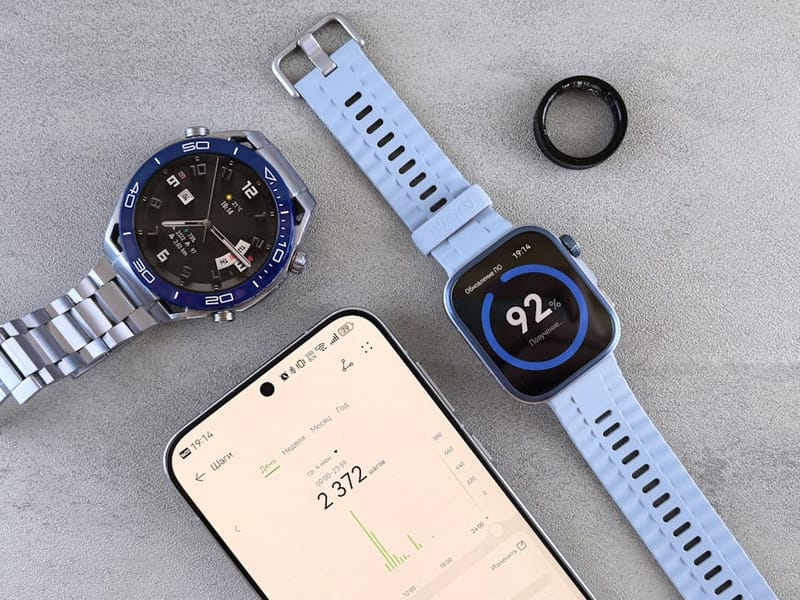
Smart Ring vs Smartwatch: The Honest 2026 Comparison
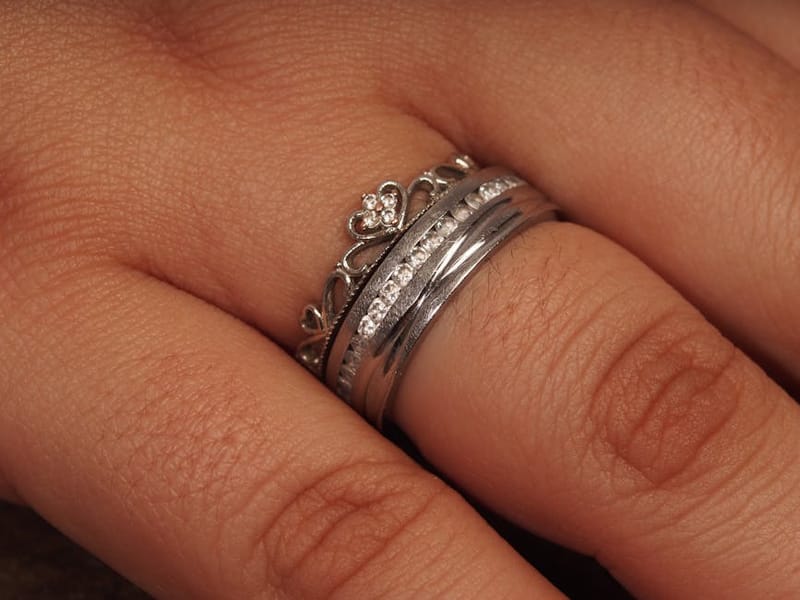
Smart Ring Sizing Guide

Are Smart Rings Worth It?
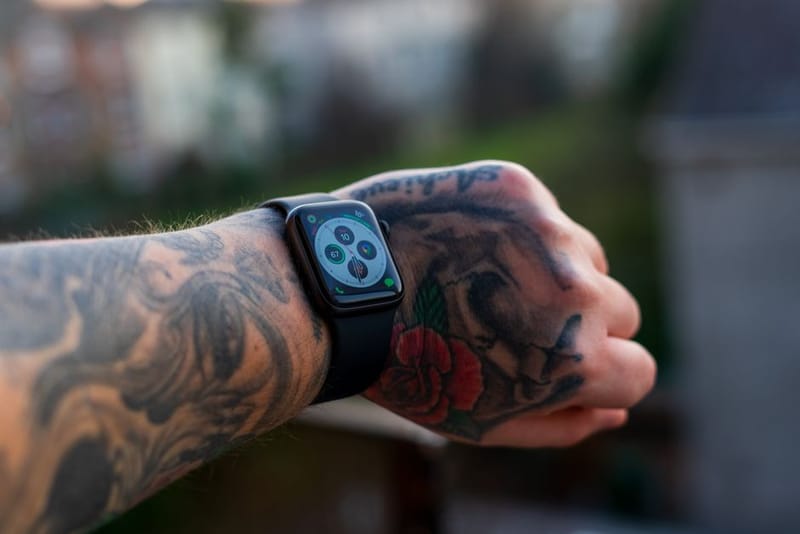
Smart Ring vs Apple Watch (UK 2026)
Not sure which ring to pick?
See our use-case-by-use-case picks for 2026.