Smart Ring for PCOS UK 2026: Cycle & Symptom Tracking
Can a smart ring help with PCOS? Rings can't diagnose it, but temperature, cycle, sleep and HRV trends support symptom tracking. UK 2026 picks.

If you have PCOS, the value of a smart ring is not a diagnosis you already have - it's the daily pattern around it. PCOS disrupts cycles, sleep and stress, and those are exactly the signals a ring measures well: skin temperature, cycle phase estimates, sleep stages, resting heart rate and HRV (heart rate variability, the beat-to-beat timing your nervous system uses to signal recovery and stress load).
Used honestly, a ring turns vague "I feel off" days into a trend you can show a clinician. It will not detect a hormone imbalance, and it cannot tell you whether a symptom is PCOS-related. What it can do is make the moving parts visible so you and your GP have better data to work with. This guide explains what a ring tracks, where it falls short for PCOS specifically, and which UK 2026 rings do it best.
Can a smart ring detect or diagnose PCOS?
No. PCOS is diagnosed clinically - usually against the Rotterdam criteria, which weigh irregular ovulation, signs of raised androgens and ovarian appearance on a scan, alongside blood tests. None of that is something a consumer ring can measure.
What a ring can do is surface the downstream effects: cycles that arrive late or not at all, temperature patterns that never settle into a clear ovulation shift, disrupted sleep, and a stress trend that runs high. Those observations are useful raw material for a GP appointment, but they are observations - not findings. Treat any ring that markets itself as detecting hormonal conditions with deep scepticism.
How well does cycle and temperature tracking work with PCOS?
This is the honest catch. Rings estimate cycle phase largely from a skin-temperature shift around ovulation, and they predict periods from your recent cycle history. PCOS often means irregular or absent ovulation, so for many people the temperature shift is muted or missing and the prediction model has no stable pattern to learn from.
That does not make the data useless - it makes it diagnostic in a different way. A cycle app that keeps failing to predict your period is itself a signal of irregularity worth logging. Our guides to smart ring cycle tracking and temperature tracking accuracy go deeper on how the sensors work and where confidence drops. Record the raw trend; don't lean on the prediction.
What about sleep and stress, which PCOS often affects?
This is where rings earn their place for PCOS. Disrupted sleep and elevated stress are common with the condition, and a ring tracks both reliably. The overnight HRV and resting-heart-rate trend is a genuine window on whether your stress load is improving or building over weeks.
PCOS also carries a higher risk of obstructive sleep apnoea. A ring cannot diagnose it, but a pattern of poor sleep quality and blood-oxygen dips is a reason to ask your GP about a proper sleep assessment - our smart ring and sleep apnoea guide explains what the data can and can't show. For the stress side, the stress and recovery guide covers how to read the HRV trend without over-reacting to single nights.
Which smart ring is best for PCOS tracking in the UK?
Best cycle and temperature insight: Oura Ring 5. Oura's cycle and temperature features are the most developed, and its readiness model is the clearest for spotting stress and recovery patterns. The trade-off is the membership fee, so factor that into the cost over time.
Best no-subscription pick: Ultrahuman Ring Pro. Strong cycle and temperature tracking with no monthly fee and a long battery, so you rarely lose a night of data. The closest no-subscription alternative to Oura for this use.
Best value: RingConn Gen 3. Reliable sleep, temperature and HRV with no subscription at a lower price. A sensible starting point if you mainly want the sleep and stress trend.
Best for Samsung users: Samsung Galaxy Ring. Cycle tracking flows into Samsung Health with no subscription, which suits anyone already in that ecosystem. For a broader women's-health view, our best smart ring for women guide compares these picks across cycle, menopause and sleep.
How should you actually use ring data with PCOS?
Log, don't diagnose. Let the ring build a few months of cycle, temperature, sleep and HRV history, then bring the trend - not a single bad night - to your GP. A clear record of irregular cycles or a months-long stress pattern is more useful in a ten-minute appointment than memory alone.
Set expectations on day one: the ring is a notebook, not a clinician. It helps you notice change, ask better questions and track whether a treatment or lifestyle adjustment is moving the numbers. Anything that feels like a red flag - heavy or absent bleeding, severe mood disruption, rapid weight change - is a reason to see a doctor regardless of what the app says.
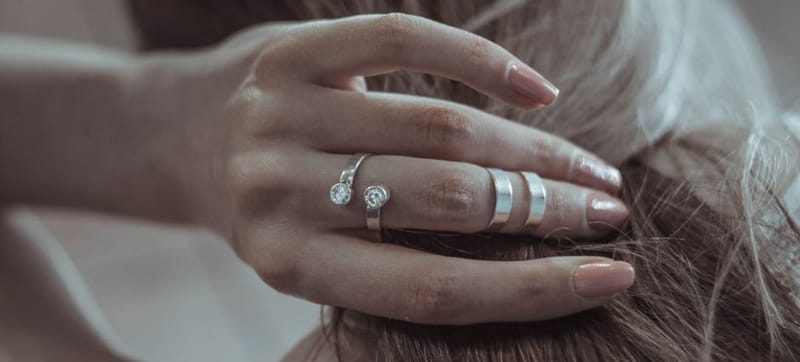
Best Smart Ring for Women 2026
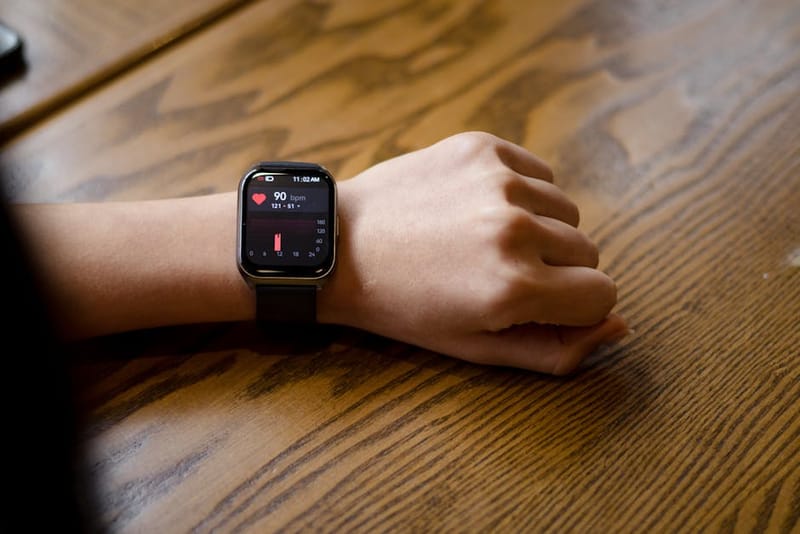
Smart Ring for Cycle Tracking UK 2026
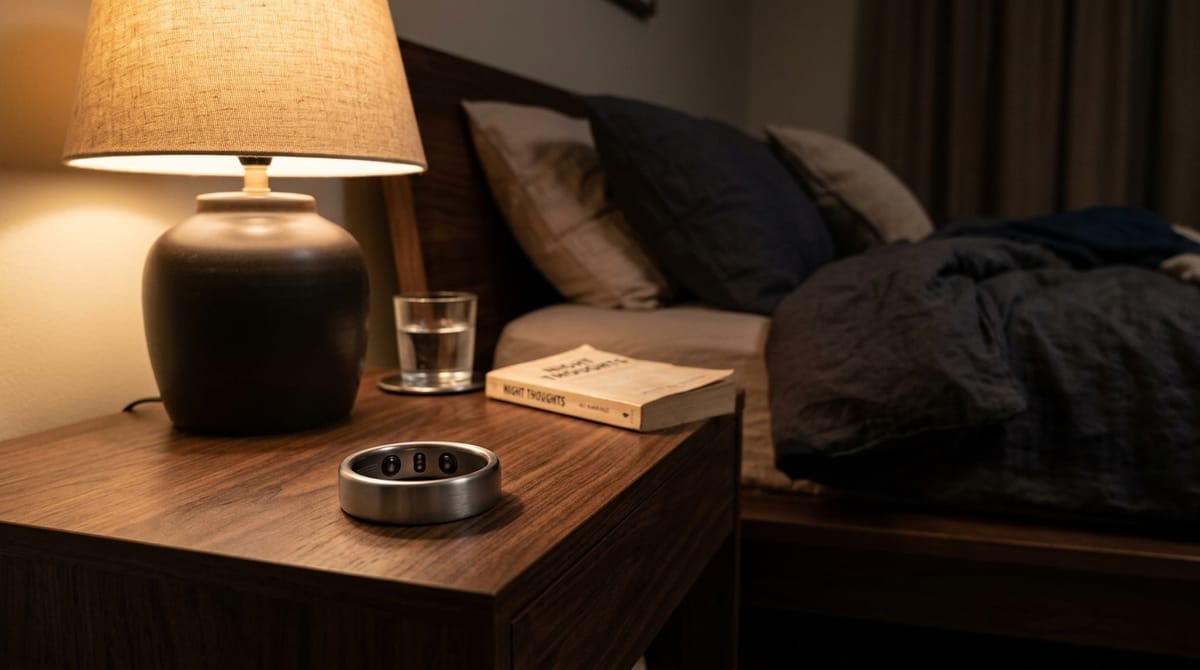
Smart Ring for Menopause UK 2026
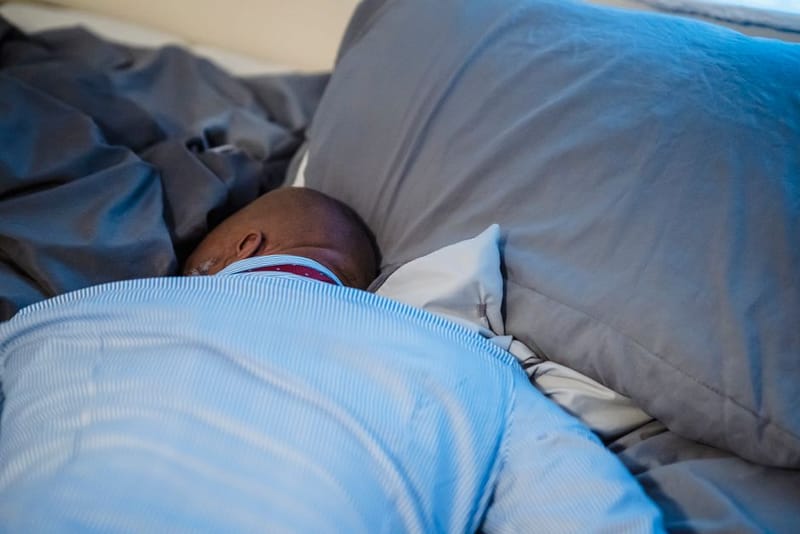
Smart Ring Sleep Apnea Tracking 2026
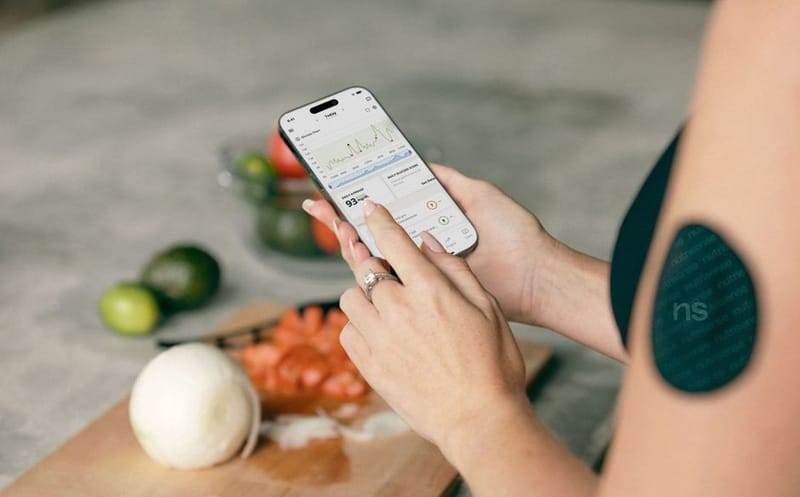
Smart Ring vs CGM 2026
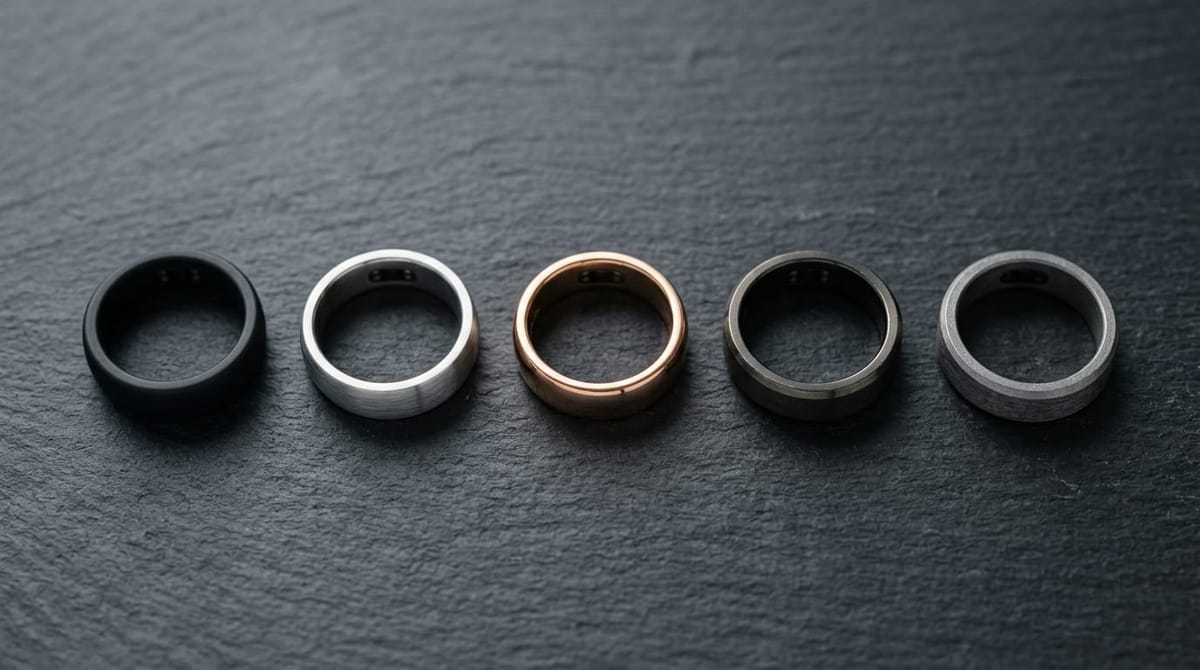
Best Smart Rings 2026
Frequently asked questions
Can a smart ring diagnose PCOS?
Which smart ring is best for irregular cycles?
Can a smart ring track insulin resistance or blood sugar?
Will a ring help me manage PCOS symptoms?
Compare the best rings for tracking
See every ring's cycle, sleep and recovery features in one place.