Best Smart Ring for Cycling UK 2026
Smart rings won't show live ride data, but they're the best recovery tool for cyclists. Our UK 2026 picks for HRV, readiness and training load.
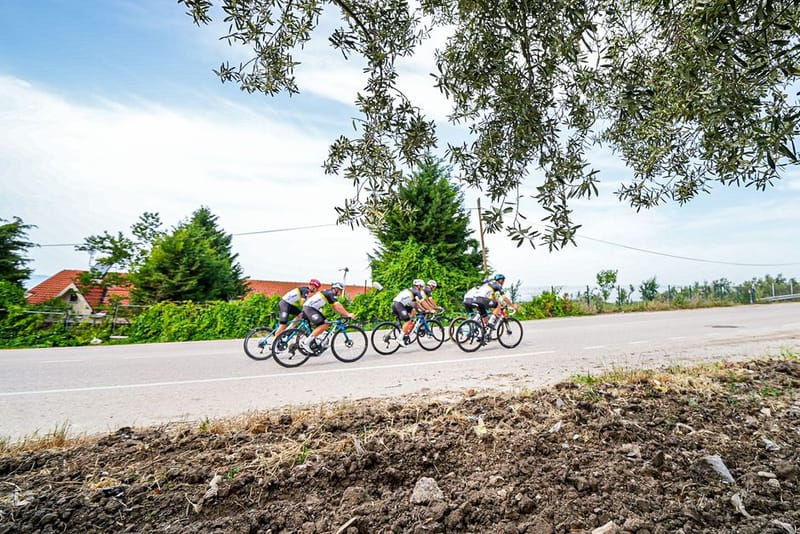
A smart ring is the wrong tool for the ride itself and the right tool for everything around it. It has no GPS, no screen on your bars, and no reliable way to read your pulse while you grip the hoods over rough tarmac. What it does brilliantly is measure the 23 hours you spend off the bike - your sleep, your overnight HRV (heart rate variability, the beat-to-beat timing your nervous system uses to signal recovery), and a readiness score that tells you whether today is an intervals day or a coffee-ride day.
For cyclists, that recovery layer is the gap a bike computer leaves open. Pair a ring with your existing Garmin or Wahoo and you get the full picture: power and route data from the head unit, recovery and readiness from your finger. This guide ranks the rings worth that pairing in the UK for 2026, and is honest about where each one falls short.
Can a smart ring track your cycling?
Not the ride - the recovery. A smart ring cannot record your route, speed, power or live heart rate the way a bike computer or chest strap does. It has no GPS antenna and no display, so there is nothing to glance at mid-effort and nothing logging your climb up a Surrey hill in real time.
Where it earns its place is overnight and at rest. The ring tracks sleep stages, resting heart rate, skin temperature and HRV while you recover, then converts that into a morning readiness or recovery score. Over a training block, that trend is the single most useful signal a casual or club cyclist can have: it flags when you are absorbing the work and when you are digging a hole. Treat the ring as your recovery coach, not your ride recorder.
Why don't smart rings work for live ride data?
Two reasons: optics and hardware. Rings read your pulse with PPG (photoplethysmography, the green-light optical method that measures blood-volume changes under the skin). PPG is accurate at rest but degrades badly during motion - vibration, cold hands and the constant micro-movements of gripping handlebars create the same kind of motion artefacts that make wrist optical heart rate unreliable during hard efforts. On a bike, your hands also cool and blood flow to the fingers drops, which weakens the signal further.
The hardware gap is simpler. A ring has no GPS to map your route and no screen to show pace, power or live HR. For anything you want to look at during the ride, the ring is the wrong device by design. That is why every pick below is judged on recovery accuracy and battery life, not in-ride tracking.
What should a cyclist look for in a smart ring?
Battery that clears a tour. Multi-day rides and training camps are where short battery life hurts. Rings that run a week or more between charges mean you never lose a night of recovery data mid-block.
Trustworthy HRV and readiness. The whole point for a cyclist is the recovery trend, so sensor accuracy and a readiness model you'll actually act on matter more than step counts.
Total cost, including subscription. Some rings lock their best recovery insights behind a monthly fee. Over three years that can double the price, so a no-subscription ring with strong recovery metrics is often the smarter buy for an athlete who only cares about HRV and sleep.
Comfort under gloves. A slim, low-profile ring sits comfortably inside a winter glove; a chunky one does not. If you ride year-round, fit matters.
Which smart ring is best for cyclists?
Best overall recovery: Oura Ring 5. Oura's readiness model is the most mature on the market and the one most likely to change how you plan a training week. The catch is the membership - you pay monthly to unlock the insights - so factor that into the cost. For cyclists who want the clearest "should I do intervals today?" answer, it's still the benchmark.
Best no-subscription pick: Ultrahuman Ring Pro. No monthly fee, a genuinely long battery, and a training-load and recovery view aimed squarely at endurance athletes. For a cyclist who wants Oura-style recovery data without the recurring cost, this is the ring to beat.
Best value: RingConn Gen 3. The strongest balance of price, battery and accuracy with no subscription. If you want reliable overnight HRV and sleep without spending Oura money, start here.
Best for Samsung and Android riders: Samsung Galaxy Ring. If your phone and watch are already Samsung, the Galaxy Ring slots into Samsung Health cleanly and needs no subscription. It's a recovery companion for the Samsung ecosystem rather than a metrics powerhouse.
Best budget entry: Amazfit Helio Ring. The cheapest way to add a no-subscription recovery ring to your kit. Expect solid resting metrics and a usable readiness score rather than the depth of the pricier picks.
How do you get smart ring data into Strava or Garmin?
Most rings don't push recovery scores directly into a bike computer, but the bridge usually runs through your phone's health platform. Our smart ring and Strava guide walks through which rings sync activity and HR data across, and our Garmin Connect guide covers what carries over for riders already in Garmin's world.
For most setups the practical workflow is: record the ride on your head unit, let it land in Strava or Garmin, and read recovery in the ring's own app. Trying to force one number into the other rarely helps - the ring's value is the readiness trend, not another HR trace next to the one your chest strap already produced.
Are smart rings accurate for cycling heart rate?
For resting and overnight heart rate, yes - rings are excellent. For live cycling heart rate, no. The motion and cold-hand problems above mean finger PPG can't match a chest strap during efforts. If you train to heart-rate or power zones, keep the strap for the ride and use the ring for the HRV trend that tells you whether those zones are sustainable this week.
This is the same conclusion our best smart ring for athletes guide reaches for runners and triathletes: rings win on recovery, dedicated sensors win on live performance, and serious athletes use both.

Best Smart Ring for Athletes
Smart Ring for Marathon Training UK 2026
Smart Ring vs Whoop Strap UK 2026
Best Smart Ring for the Gym & Lifting
Frequently asked questions
Can a smart ring replace a bike computer?
Which smart ring is best for cycling recovery?
Will a smart ring track my heart rate while I ride?
Can you wear a smart ring under cycling gloves?
See our top recovery pick
Compare every ring's recovery accuracy, battery and total cost in one place.