Best Smart Ring for the Gym & Lifting (UK 2026)
Which smart rings survive barbell grip and track recovery for lifters? Our UK 2026 gym picks - durability, HRV and which ring to skip.
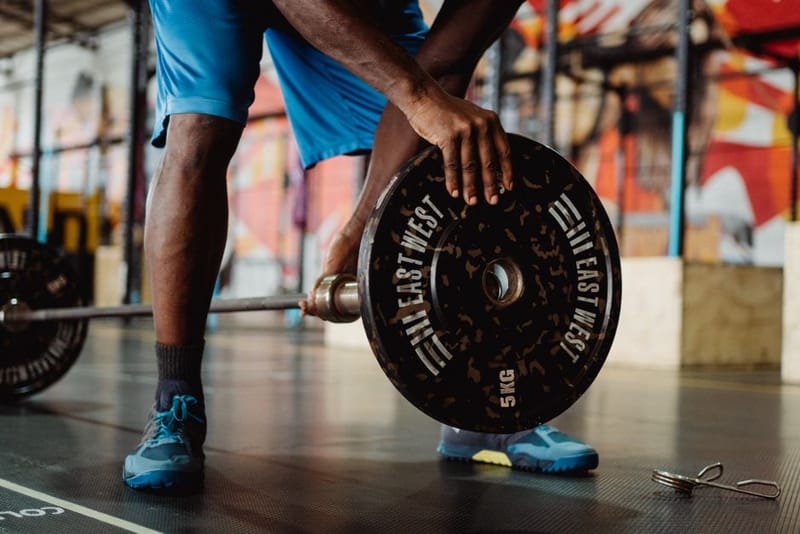
The best smart ring for the gym is the one that survives barbell knurling, stays comfortable under a heavy grip, and gives you an honest read on recovery. A smart ring will not replace a chest strap for live set-by-set heart rate, but it is the most discreet way to track HRV (heart rate variability - the beat-to-beat variation in your pulse that reflects how recovered you are) and decide whether today is a day to push or pull back.
Strength training is harder on a ring than running or sleeping. Gripping a loaded bar presses the band into the inside of your finger, and the rotating knurl on a barbell or dumbbell handle is exactly the kind of contact that scuffs a titanium shell over months. Below are the rings that hold up best, what to look for, and the one honest limitation every lifter should know before buying.
Can you wear a smart ring while lifting weights?
Yes, but with two caveats. First, a heavy grip squeezes the ring against your finger and can occlude blood flow, so the live heart-rate reading during a working set is unreliable - this is a limitation of every optical finger sensor, not a fault of one brand. Second, repeated metal-on-metal contact with bars and dumbbells will mark the outer shell over time.
Most lifters solve both by wearing the ring on the non-dominant hand, or by sliding it off for maximal singles and putting it back on between sets. The recovery data that matters - resting heart rate, overnight HRV, sleep - is collected while you are still, so a few minutes off the finger during heavy work changes nothing.
What should you look for in a gym smart ring?
Three things matter more than marketing claims about workout modes:
Durability. A titanium or tungsten-carbide-coated shell resists scratches far better than a painted finish. Brushed and matte finishes hide micro-scratches; high-gloss finishes show every one.
Recovery depth. The point of a ring at the gym is a readiness score (a daily 0-100 recovery gauge built from HRV, resting heart rate and sleep). The better the readiness model, the more useful it is for periodising training. HRV-led recovery is well established in sports science - see the overview of heart rate variability for the underlying physiology.
Battery and comfort. If charging is a chore you will stop wearing it, and gaps in overnight data break the readiness trend. A slim profile also matters - a chunky ring catches on a barbell sleeve.
Which smart ring is best for the gym?
Oura Ring 4 - best overall for lifters. Oura's readiness and HRV model is the most mature on the market, which is exactly what you want for managing training load across a week. The trade-off is the membership fee on top of the hardware. Full breakdown in our Oura Ring 4 review.
RingConn Gen 3 - best with no subscription. RingConn gives you recovery tracking and long battery life with no monthly fee, which over a couple of years is a meaningful saving. It is the pick if you resent subscriptions. See the RingConn Gen 3 review.
Ultrahuman Ring Air - best for movement and metabolic focus. Ultrahuman leans into activity and recovery insights and has no subscription, making it a strong fitness-first option - details in the Ultrahuman Ring Air review.
Samsung Galaxy Ring - best for Galaxy phone owners. If you already live in Samsung Health, the Galaxy Ring slots in cleanly and avoids a separate app. Our Samsung Galaxy Ring review covers the ecosystem trade-offs.
COLMI R02 - best budget trial. If you only want to see whether ring-based recovery tracking suits you before spending more, the budget COLMI R02 is a low-risk way in, with the accuracy caveats you would expect at the price (COLMI R02 review).
Are smart rings accurate for workout heart rate?
For steady cardio - a treadmill walk, an easy row - a good ring tracks heart rate reasonably well. For strength training it does not, and no current ring does. Gripping a bar restricts blood flow at the finger, and the rapid heart-rate swings of heavy sets move faster than an optical sensor sampling from a fingertip can follow.
The honest framing: buy a ring for recovery - readiness, HRV trends, sleep, resting heart rate - not for live lifting heart rate. If you need accurate per-set heart rate, a chest strap remains the tool for the job, and the two devices complement each other. We cover this in depth in our guide to smart ring accuracy versus a chest strap.

Best Smart Ring for Athletes

Best Smart Ring for Stress & Recovery
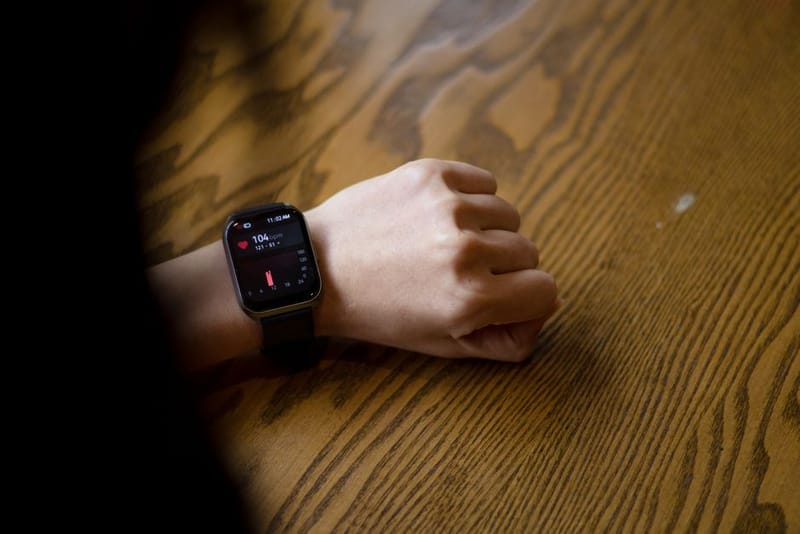
Smart Ring HRV Accuracy
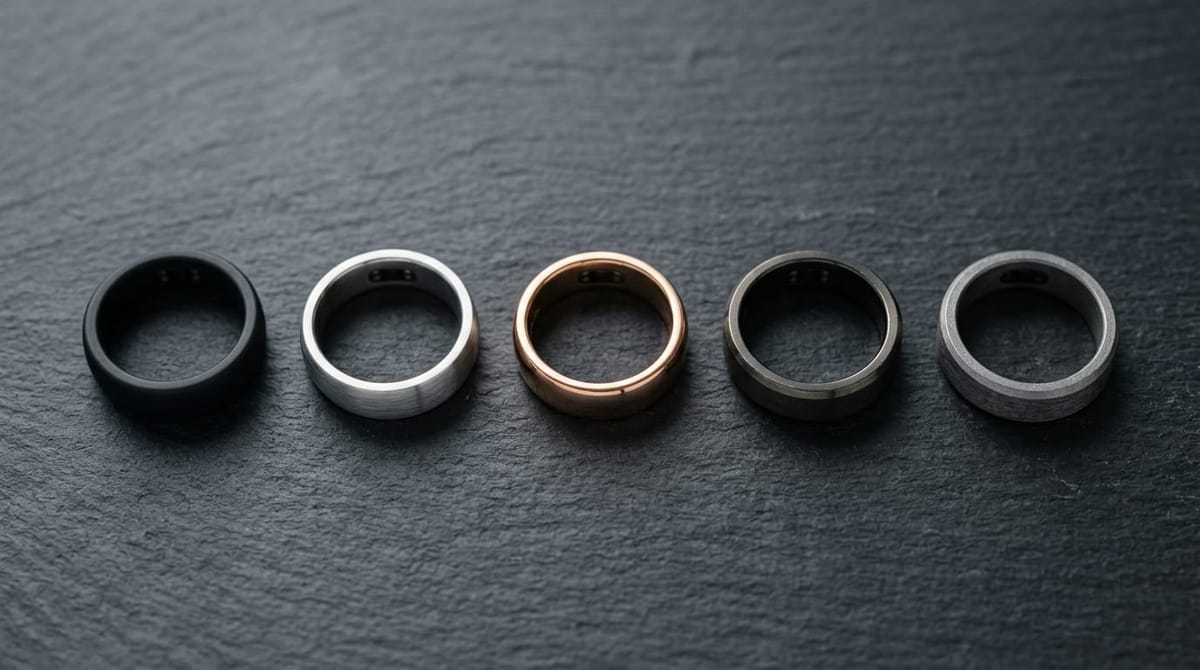
Best Smart Rings 2026
Frequently asked questions
What is the best smart ring for the gym?
Will lifting weights damage a smart ring?
Can a smart ring track my heart rate during a workout?
Do I need a subscription to track gym recovery?
See our top recovery pick
The Oura Ring 4 leads on readiness and HRV depth for lifters.