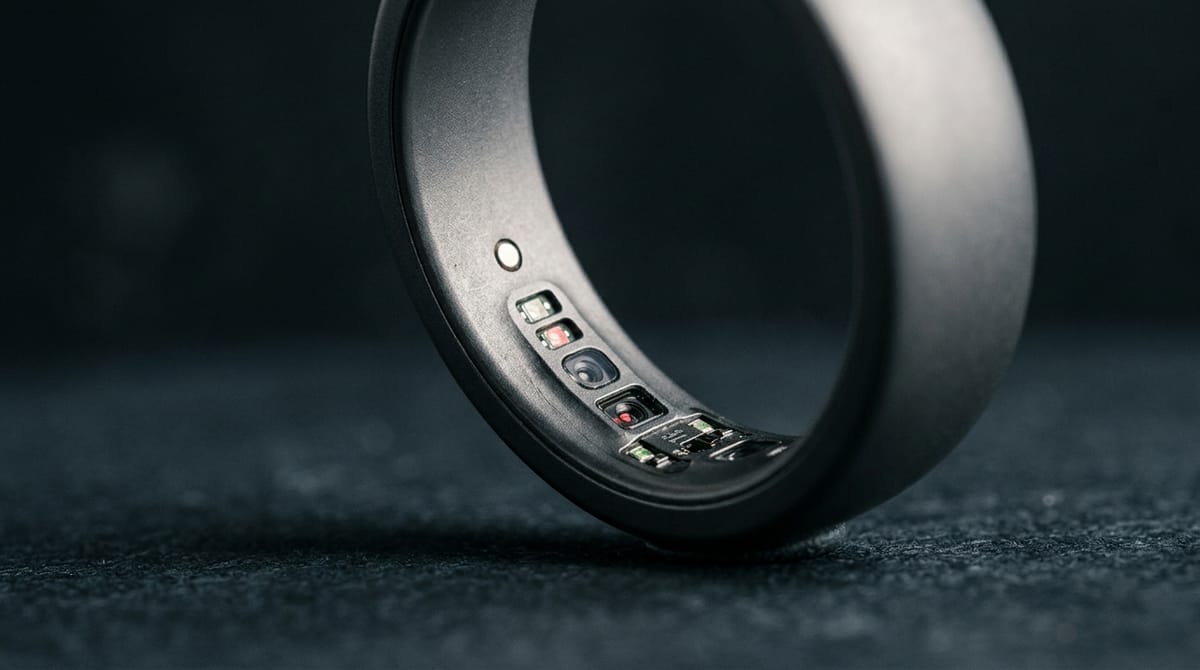
Can You Wear Two Smart Rings at Once? (2026 Answer)
Yes - two smart rings coexist fine on different fingers. The real issues: double counting, disagreeing scores and charging admin. How to do it right.
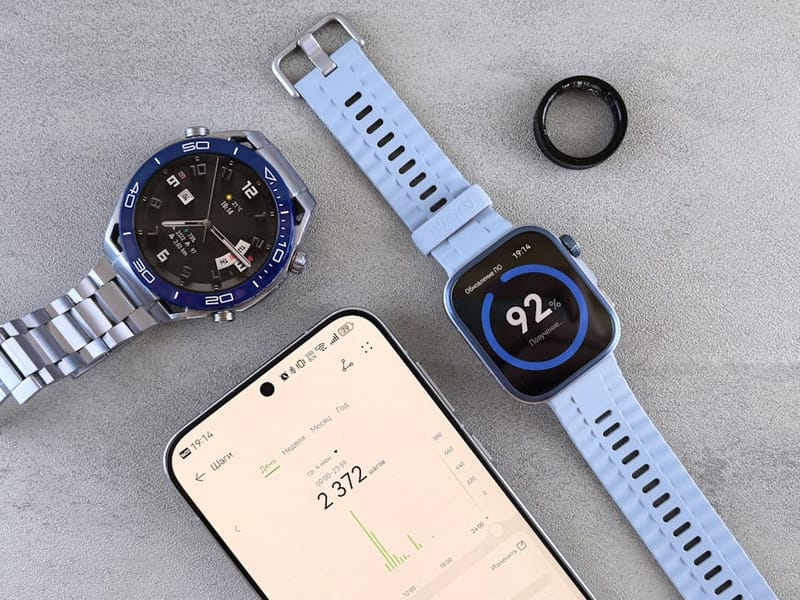
It sounds like a gadget-reviewer affectation, but the two-ring question comes up for sensible reasons: you are switching brands and want an overlap period, you got a second ring as a gift, or you want to check whether your ring's numbers can be trusted. Here is what actually happens when you run two at once, and how to do it without making your health data worse.
Does wearing two smart rings cause problems?
Technically no, practically a few
There is no interference problem: rings are Bluetooth Low Energy devices with their own apps and accounts, and they coexist as happily as a watch and a phone do. The friction is elsewhere:
- Double counting in health platforms. If both apps write steps, workouts or sleep into Apple Health or Google Health Connect, your totals inflate. Set ONE ring's app as the source of truth for each data type in the platform's priority settings.
- Disagreeing numbers. Two rings will give different sleep stages, readiness scores and even step counts - not because one is broken, but because every brand's algorithms differ. Decide in advance which one you act on.
- Charging choreography. Two different cradles, two different battery rhythms. The practical fix is charging both during your shower routine.
Which fingers should you wear them on?
Placement affects the data
Keep them on different hands if you can, index or middle fingers, snug above the knuckle. Two rings side by side on adjacent fingers can knock together (annoying, and over years abrasive), and manufacturers calibrate for the index finger's blood-flow profile, so exotic placements degrade accuracy. Do not stack two rings on one finger: the upper ring sits on a segment with weaker perfusion and its optical readings suffer. If one ring is your keeper and one is on trial, give the keeper its usual finger so its baseline history stays consistent - baselines are per-finger habits as much as per-body.
Is there ever a good reason to run two long-term?
Rarely - but here is the honest case
For most people, no - after a two-to-four-week comparison you will trust one more and the second becomes a drawer ornament. The defensible long-term cases: pairing a subscription ring with a no-subscription ring during a cancellation transition; keeping a cycle-tracking-strong ring alongside a fitness-strong ring when neither covers both needs well; and reviewers or data enthusiasts who genuinely want redundancy. If you are choosing which single ring deserves the finger, our comparisons - like Oura Ring 5 vs Ultrahuman Ring Air and Ultrahuman Ring Air vs RingConn Gen 3 - exist for exactly that decision.