Smart Ring + Zwift: What Works UK 2026
No smart ring feeds live heart rate to Zwift. Here's what actually works: rings for recovery and readiness, a chest strap for the ride itself.

If you are searching for smart ring and Zwift integration, the honest answer is that a smart ring will not feed live data into your ride, but it still has a real role in your training. Zwift (the indoor cycling and running platform) pairs with sensors that broadcast a continuous signal during a session, and a smart ring (a sensor-packed band worn on the finger) is built for resting and overnight tracking instead. Understanding that split saves you buying the wrong device for the job and shows you the setup that actually works.
Can you use a smart ring as a heart rate monitor in Zwift?
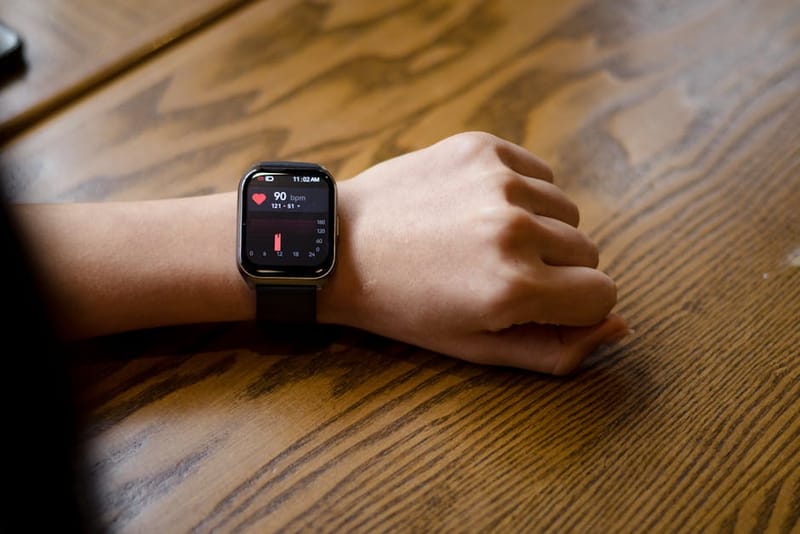
No. Zwift reads heart rate from a sensor that continuously broadcasts over Bluetooth Low Energy or ANT+, using a standard heart-rate profile that chest straps and many watches expose. Smart rings are designed differently: they sample heart rate periodically to build sleep and recovery insights, and they do not advertise themselves as a live heart-rate sensor that Zwift can connect to.
That means you cannot select your Oura, Ultrahuman or Samsung ring on Zwift's pairing screen, and you will not see ring-sourced heart rate on your ride. This is not a limitation of one brand; it is how the whole ring category works. If a continuous, in-game heart-rate trace is what you are after, a ring is the wrong tool, and no firmware update is likely to change that given the hardware design.
What does a smart ring actually do for Zwift training?
Its value sits either side of the ride, not during it. A ring tracks heart rate variability, resting heart rate and sleep overnight and turns them into a daily readiness score, which is genuinely useful for deciding how hard to ride. A high score is a green light for a hard Zwift workout or a race; a low one suggests an easy spin or a rest day instead, which is exactly the call that high-volume indoor training programmes get wrong most often.
After the session, the ring measures how well you absorb the load while you sleep, closing the loop on whether yesterday's effort was sustainable. Many rings also write their recovery data to Apple Health or Google Health Connect, and Zwift can write your completed rides to the same place, so you can see training and recovery side by side even though they never talk to each other live.
How do you build the right Zwift setup?
Think in three layers. For live heart rate, use a chest strap, which is both the most accurate option and the one Zwift pairs with instantly; an optical armband is a comfortable second choice. For power and cadence, a smart trainer or a power meter does the job and drives the in-game resistance and speed. The smart ring is the third layer, handling recovery and readiness so you train the right intensity on the right day.
Used together, the three cover everything: the trainer and strap give you a precise, responsive ride, and the ring makes sure you are not riding hard into a hole. It is a complementary setup, not a competition between devices.
Which smart rings sync recovery data with Apple Health and Health Connect?
If you want your ring's recovery data to sit alongside your Zwift rides, sync support matters. The Oura Ring 4 writes sleep and readiness data to Apple Health and Google Health Connect, and the Ultrahuman Ring Air does the same with no subscription. The Samsung Galaxy Ring integrates most deeply with Samsung Health on a Galaxy phone, with partial iOS support.
In practice, pick the ring on its own recovery merits, then let it deposit data into whichever health platform you already use. Zwift will not pull that data into a ride, but a combined health dashboard is the closest thing to a single picture of training and recovery.
Smart ring or chest strap for Zwift?
They answer different questions, so most committed indoor cyclists end up with both. A chest strap gives accurate, continuous heart rate during the ride and pairs natively with Zwift, but it is something you only wear to train. A smart ring is worn around the clock and excels at the recovery, sleep and readiness data that shapes how you should train, but it cannot feed the ride itself. If you only buy one for Zwift, buy the chest strap, because the platform needs live heart rate to be useful. Add a ring when you want to manage fatigue across a training block rather than just measure single sessions.
Will a smart ring improve your Zwift performance?
Indirectly, and more than you might expect. The biggest gains in indoor cycling come from consistent training and avoiding the deep fatigue that forces missed weeks, and that is precisely where a ring helps. By flagging poor sleep and a declining readiness trend before they turn into illness or burnout, it nudges you to take the easy days easy and to hit the hard Zwift workouts when your body can actually absorb them.
Over a training block, that better day-to-day decision-making tends to show up as steadier progression and fewer setbacks, which on Zwift means climbing the categories or holding higher numbers for longer. The ring is not making you faster on the bike directly; it is helping you train in a way that compounds. Pair that judgement with the live data from a chest strap and smart trainer, and you have both halves of a smart indoor setup: precise execution during the ride and intelligent recovery around it.
Frequently asked questions
Does Oura work with Zwift?
Can any smart ring send heart rate to Zwift?
What heart rate monitor should I use with Zwift?
Can I see my Zwift rides and ring recovery in one place?
Will a future update let my ring connect to Zwift?

Best Smart Ring for Athletes: Recovery & Training Load
Best Smart Ring for Rowing UK 2026