Best Smart Ring for Triathletes UK 2026
The best smart rings for triathletes in 2026 - picked for recovery tracking, swim-safe water resistance and battery that survives big training blocks.
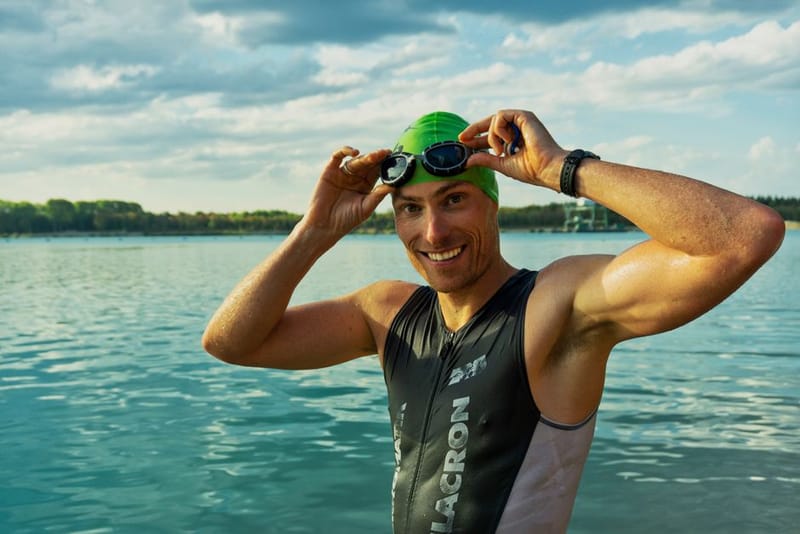
The best smart ring for triathletes is a recovery tool, not a race computer. A smart ring (a finger-worn health-sensor wearable) has no GPS, no live heart-rate display and no multisport mode, so it will never replace your Garmin or Coros on race day. What it does brilliantly is measure the other 22 hours: sleep, resting heart rate and recovery, the things that decide whether your training actually sticks.
What should a triathlete look for in a smart ring?
Three things matter most. First, water resistance: open-water and pool swimming need a 10 ATM rating, so the ring survives daily swims. Second, recovery accuracy: heart-rate variability (HRV - the beat-to-beat variation that signals readiness) and sleep tracking are the whole point. Third, battery life, because charging is easy to forget during a heavy training block. Everything below is judged on those three.
RingConn Gen 3 - the best all-round pick
The RingConn Gen 3 hits the triathlete sweet spot. It is rated to 10 ATM for swimming, lasts 10 to 14 days per charge so it survives a build week without a thought, and adds vascular and sleep-apnoea tracking on top of solid recovery metrics. At £349 with no subscription, it undercuts the Oura on running cost while matching it on the essentials.
Oura Ring 4 - the best for recovery accuracy
If recovery data is the reason you are buying a ring, the Oura Ring 4 is the most validated option. Its sleep and HRV algorithms are the category benchmark, and its readiness score is genuinely useful for deciding whether to hit an interval session or back off. The trade-offs are a £5.99 monthly membership and a four-to-seven day battery, shorter than the RingConn.
RingConn Gen 2 Air - the best value
On a budget, the RingConn Gen 2 Air covers the basics for around £239 with no subscription. It is featherweight, runs about 10 days per charge, and handles showering and swimming via its 100 m rating. You lose sleep-apnoea tracking and some polish versus the Gen 3, but for recovery basics it is hard to beat the price.
Ultrahuman Ring Air - the lightest for swim comfort
The Ultrahuman Ring Air is the lightest mainstream ring and rated to 10 ATM, which covers swimming comfortably. Its recovery tracking is strong and subscription-free. Battery is the weak point at four to six days, so heavy-volume athletes will charge it more often than a RingConn.
How do you use a smart ring alongside triathlon training?
Let the watch own the session and the ring own the recovery. Check your readiness or sleep score each morning and use it to decide whether today is a key session or an easy spin. Watch resting heart rate trend upward across a training block as an early overtraining warning, and protect sleep during taper. The ring's job is to keep you healthy enough to complete the training the watch records.
Frequently asked questions
Can a smart ring track a triathlon?
Are smart rings safe for swimming?
Which smart ring has the best battery for training blocks?
Do I still need a triathlon watch if I have a smart ring?
Best Smart Ring for Running UK 2026

Best Smart Ring for Cycling UK 2026
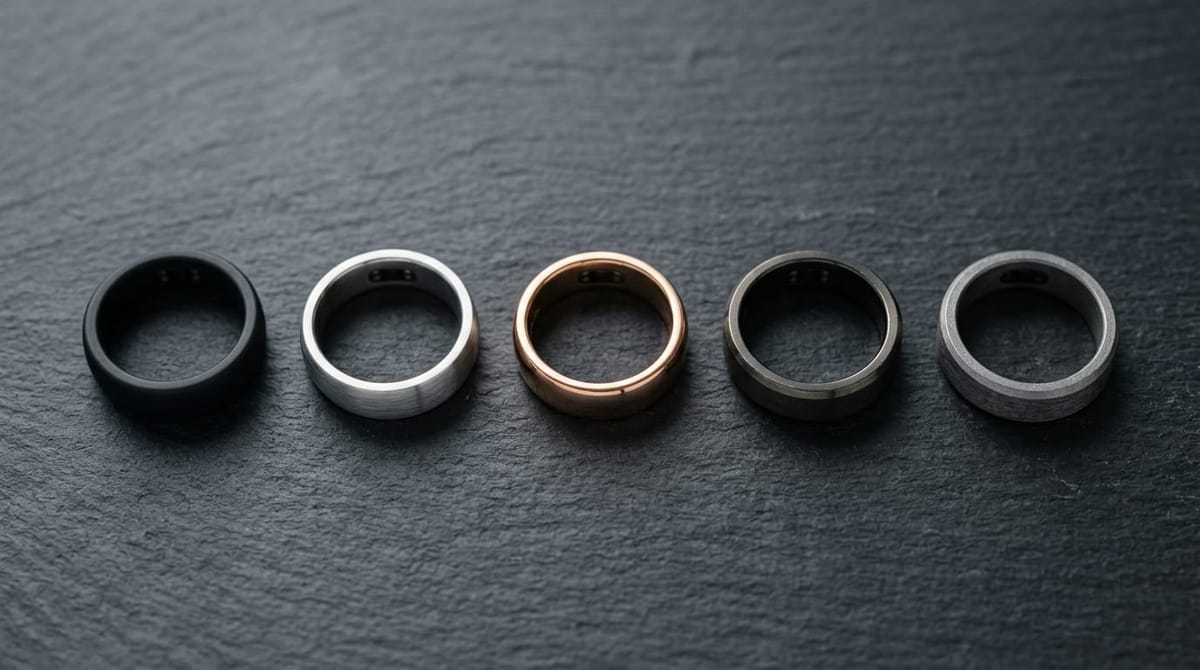
Best Smart Rings 2026
Find your recovery ring
Compare the swim-safe rings against the full 2026 field.